September 23, 2025
Professional Scalp Diagnostic
Overview
Professional scalp diagnostics is a comprehensive examination of the scalp condition, hair follicles, and sebum production, performed by a trichologist or dermatologist using specialized equipment.
What the Diagnostic Includes
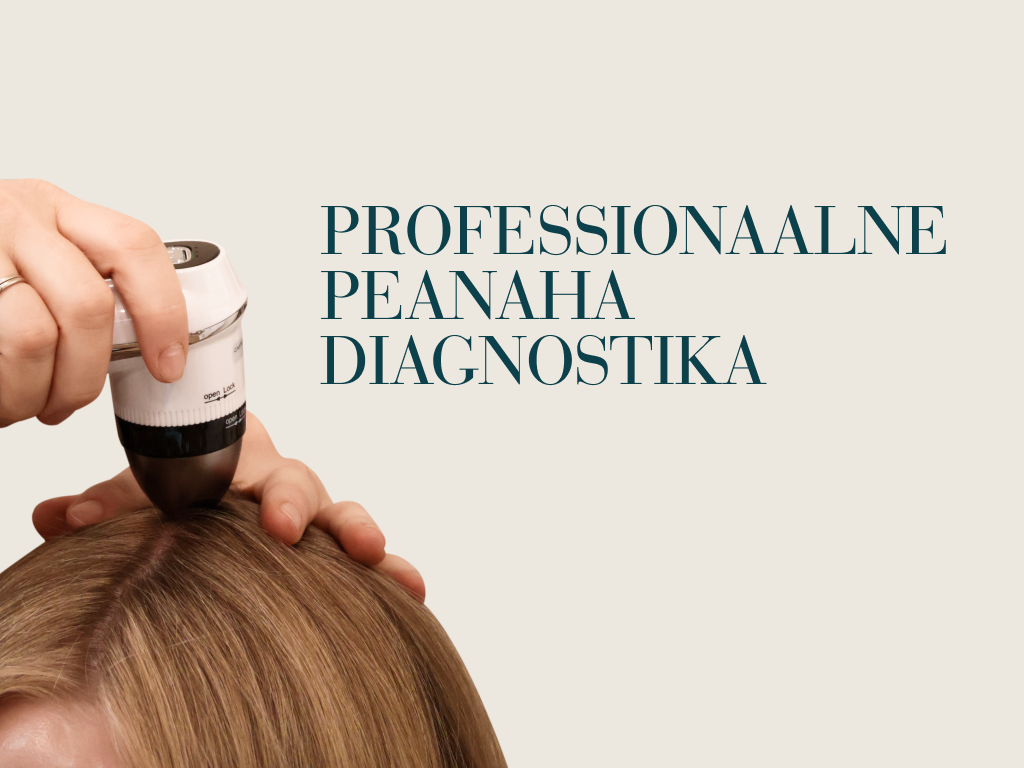
Trichoscopy is the primary method, using a dermoscope or video trichoscope with magnification from 20 to 200 times. The specialist evaluates the structure of hair follicles, cuticle condition, hair density per unit area, and the presence of inflammation.
Sebometry measures the sebum level of the scalp. It precisely determines the scalp type — normal, dry, oily, or combination — and helps select the appropriate care protocol.
Trichogram is a hair analysis that assesses the ratio of hairs in the growth phase (anagen) to the shedding phase (telogen). Normally, at least 85% of hairs should be in the anagen phase.
Photodocumentation records the baseline scalp condition to track treatment progress over time.
When Diagnostics Are Necessary
Consulting a specialist is recommended when experiencing the following symptoms: excessive hair loss (more than 100 strands per day), appearance of dandruff or flaking, itching and scalp irritation, sudden changes in oiliness, thinning or brittle hair, and the formation of bald patches or visible thinning.
What the Diagnostic Reveals
Based on the examination results, the specialist can diagnose androgenetic alopecia, seborrheic dermatitis, scalp psoriasis, fungal infections (mycosis), telogen or alopecia areata, as well as nutritional deficiency of the hair follicle.
Preparation for the Procedure
To obtain accurate results, it is recommended to arrive with unwashed hair (2–3 days without washing), avoid using styling products the day before, and refrain from coloring or chemical treatments at least one week prior to the visit.